
The Science of Eating Well: Why a Healthy Diet Is More Than Just a Trend
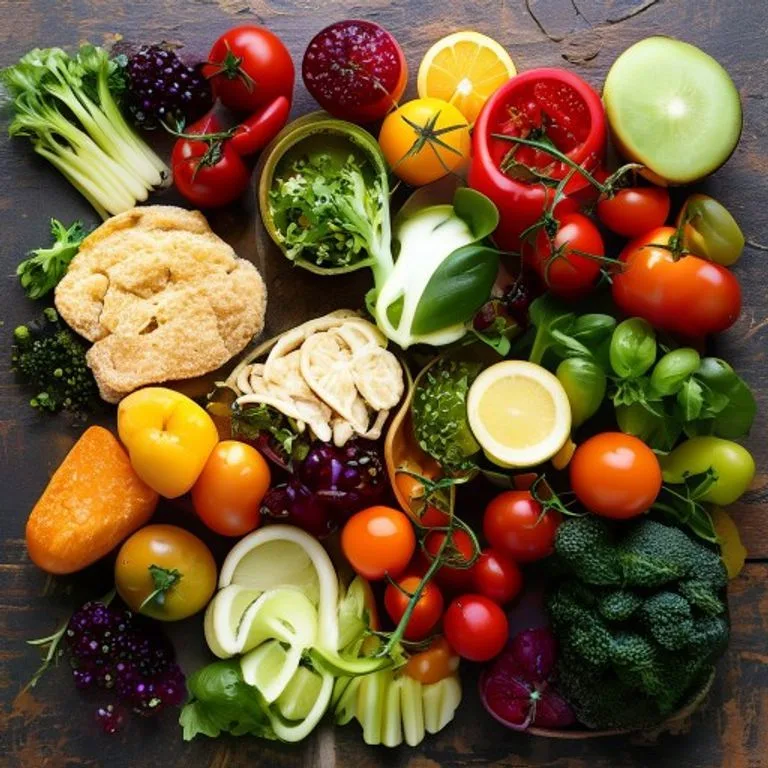
The phrase "healthy diet" has become a fixture of modern wellness culture, appearing everywhere from social media influencers to government dietary guidelines. But as nutrition science evolves, experts warn that much of what passes for dietary advice online is oversimplified at best and dangerous at worst. With chronic diseases linked to poor nutrition accounting for nearly 70 percent of deaths worldwide, understanding what a healthy diet actually looks like has never been more urgent.
According to the World Health Organization, a healthy diet protects against malnutrition in all its forms as well as noncommunicable diseases such as diabetes, heart disease, stroke, and cancer. Yet the global food environment makes following such a diet increasingly difficult. Ultra-processed foods now make up more than 50 percent of daily calorie intake in many high-income countries, displacing the whole grains, legumes, vegetables, and lean proteins that form the backbone of scientifically backed eating patterns.
Recent research published in Nature Medicine underscores the toll: poor diet is associated with one in five deaths globally, making it a larger contributor to mortality than tobacco use in some regions. The data is clear, but the path forward is complicated by conflicting messaging, food industry lobbying, and widespread misinformation about fad diets that promise rapid weight loss at the expense of long-term metabolic health.
The Mediterranean Model and What Makes It Work
Among the most rigorously studied dietary patterns is the Mediterranean diet, which emphasizes olive oil, fish, nuts, whole grains, and abundant vegetables while limiting red meat and added sugars. A landmark 2024 update to the PREDIMED trial, which followed more than 7,000 participants over a decade, found that those adhering closely to a Mediterranean eating pattern experienced a 30 percent reduction in cardiovascular events compared to those on a standard low-fat control diet. Notably, the benefits were independent of weight loss, suggesting that the quality of food matters more than calorie restriction alone.
This distinction is critical. Researchers increasingly argue that the focus on macronutrient ratios — low-carb versus low-fat versus high-protein — obscures a more fundamental truth: dietary patterns built around minimally processed foods consistently outperform any single-nutrient approach. The Dietary Guidelines for Americans, updated in 2025, now explicitly highlight "dietary patterns" over isolated nutrients, recommending that individuals prioritize vegetable variety, whole fruits, legumes, and seafood while limiting saturated fats, sodium, and added sugars.
Yet access remains a formidable barrier. A 2025 analysis by the Food and Agriculture Organization found that a healthy diet costs an average of $3.54 per day per person in purchasing power parity terms, making it unaffordable for more than three billion people worldwide. Even in wealthier nations, food deserts — areas with limited access to fresh produce and whole foods — disproportionately affect low-income communities, creating a structural divide in nutritional health that no amount of personal willpower can bridge.
Amid these challenges, a growing consensus is emerging among public health experts: effective dietary guidance must move beyond individual choice and address the food environment itself. Policies such as sugar taxes, front-of-package warning labels, subsidies for fruits and vegetables, and stricter regulation of food marketing to children have shown measurable success in countries like Mexico, Chile, and the United Kingdom. As the global burden of diet-related disease continues to rise, the evidence increasingly points to a simple but profound conclusion — the best diet is one that is accessible, sustainable, and built on whole foods. The rest is noise.