
Self-Driving Taxis Accelerate Nationwide Expansion as Waymo and Rivals Push Into New Cities
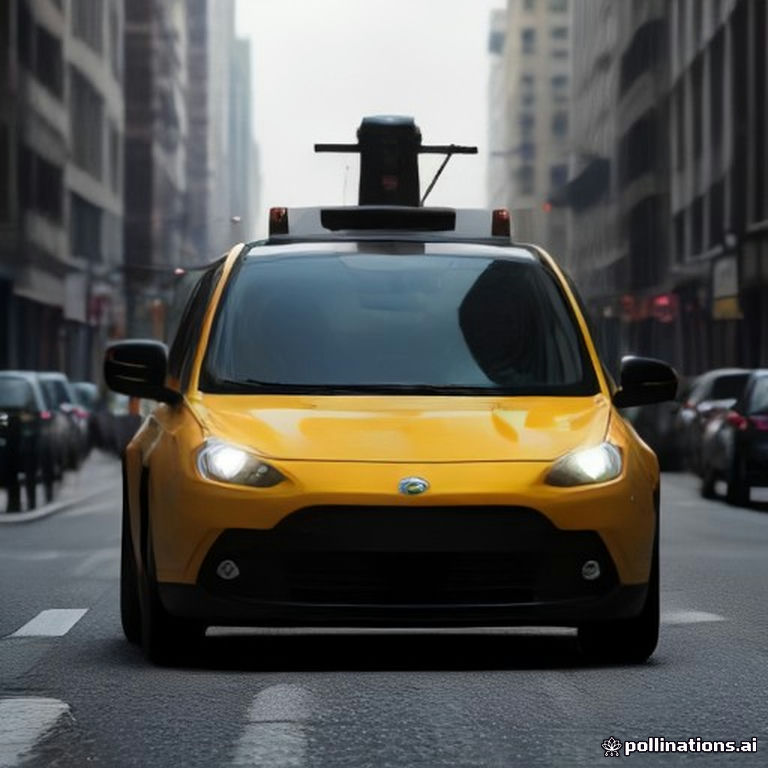
Autonomous ride-hailing is rapidly moving beyond its early strongholds, with Alphabet's Waymo leading a wave of expansions that will bring driverless taxis to millions more Americans in 2025. The company now operates across more than 500 square miles in Phoenix, San Francisco, and Los Angeles, completing over 100,000 paid rides per week — a figure that doubled in just three months this summer. With a fresh $5.6 billion funding round closed in October and a deepening partnership with Uber, the once-futuristic technology is entering a decisive commercial phase.
New Markets on the Horizon
The most immediate growth comes through Waymo's expanded alliance with Uber, announced in September. Beginning in early 2025, fully autonomous Jaguar I-PACE vehicles will hit the streets of Austin, Texas, and Atlanta, Georgia, accessible exclusively through the Uber app. Uber will manage fleet operations — cleaning, maintenance, and depot logistics — while Waymo retains control over the driving system, roadside assistance, and rider support. The fleet is expected to grow to hundreds of vehicles in each city over time, marking the first major deployment of Waymo's technology outside its home markets of California and Arizona.
Waymo's own service, Waymo One, continues to widen its footprint in existing cities. In August, the company extended its San Francisco coverage southward to Daly City, Broadmoor, and Colma, while adding Los Angeles neighborhoods including Marina del Rey, Mar Vista, Playa Vista, and portions of Hollywood, Chinatown, and Westwood. The expansions follow San Francisco's full public launch in June, which ended a waitlist that had attracted roughly 300,000 sign-ups. Phoenix, where Waymo began commercial operations in 2020, saw its service area grow by 90 square miles this summer to reach 315 square miles total, including first-of-its-kind operations on tribal land in partnership with the Salt River Pima–Maricopa Indian Community.
Competition Intensifies Amid Regulatory Scrutiny
Waymo's momentum contrasts sharply with the struggles of its chief rival, General Motors-owned Cruise, which suspended U.S. operations in late 2023 after a pedestrian-dragging incident triggered a federal investigation and the loss of its California permits. Cruise has since resumed limited testing with safety drivers in select cities, aiming to restart driverless service by year's end. Meanwhile, Amazon-backed Zoox is charting its own course, launching test operations in Austin and Miami this summer with plans for public rides in Las Vegas and San Francisco starting in 2025. Zoox vehicles have already demonstrated night driving, light rain capability, and speeds up to 45 mph on public roads.
The competitive landscape is further complicated by Tesla, which has yet to secure the permits required for commercial robotaxi service in major markets despite CEO Elon Musk's repeated projections. At an October "We, Robot" event, Tesla unveiled Cybercab and Robovan prototypes but offered no timeline for regulatory approval. Industry analysts note that Waymo's methodical, permit-first approach — working through state utilities commissions and local regulators — has positioned it as the only U.S. company currently operating uncrewed, fare-collecting robotaxis at scale.
Investment and Infrastructure Signal Long-Term Commitment
The capital flowing into the sector underscores confidence in its trajectory. Alphabet committed a multi-year $5 billion investment in Waymo earlier this year, followed by the $5.6 billion external funding round in October — the largest in the company's history. Those resources are financing not only geographic expansion but also hardware diversification. Waymo announced a partnership with Hyundai in August to integrate its Driver system into IONIQ 5 electric SUVs, with road testing slated for late 2025, supplementing the existing Jaguar I-PACE fleet and newer Geely Zeekr vehicles.
Testing and validation drives are already underway in Buffalo, New York; Detroit; Washington, D.C.; and at a test track in Columbus, Ohio, as Waymo prepares its systems for diverse weather and traffic conditions. The company also revealed its first international testing program in Tokyo this fall, partnering with Japanese taxi operator Nihon Kotsu and the GO ride-hailing app for trial rides beginning in early 2025. These moves suggest a strategic pivot from proving the technology works to proving it can scale — across vehicle platforms, climates, and regulatory regimes.
For riders, the expansion means autonomous options are shifting from novelty to utility. In cities where Waymo operates, the service now integrates with daily commuting patterns — including airport runs to SFO and LAX — and offers pricing competitive with human-driven alternatives. As more cities come online and fleets grow, the central question facing the industry is no longer whether driverless taxis will arrive, but how quickly they can achieve the reliability, coverage, and cost structure needed to become a mainstream transportation staple.