
Ferrari Luce: Why Ferrari’s First Electric Car Is Dividing Fans and Investors
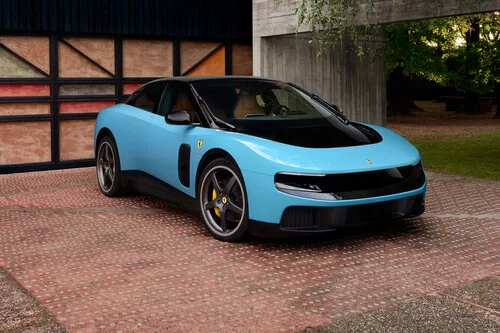
Ferrari has officially entered the electric vehicle era with the launch of the Ferrari Luce, the company’s first fully electric production car and also the first five-seat Ferrari in history.
The Luce represents one of the biggest changes ever attempted by Ferrari. While the company describes the vehicle as a technological milestone, many fans, automotive enthusiasts, and investors reacted negatively after the reveal.
The controversy surrounding the Luce highlights the growing tension between tradition and innovation in the luxury automotive world.
A Historic Shift for Ferrari
For decades Ferrari built its reputation around:
- Powerful V8 and V12 engines
- Loud exhaust sounds
- Lightweight performance cars
- Formula 1 racing heritage
- Exotic driving experiences
The Ferrari Luce changes that formula completely.
The vehicle uses:
- Four electric motors
- A 122 kWh battery
- An 800-volt electrical architecture
- Advanced torque vectoring
- Active suspension
- Four-wheel steering
Ferrari claims the Luce produces over 1,000 horsepower and can accelerate from 0 to 100 km/h in only 2.5 seconds.
On paper, the performance numbers are extraordinary.
But for many Ferrari fans, performance alone is not enough.
The Biggest Criticism: “It Doesn’t Feel Like a Ferrari”
The strongest backlash came from longtime Ferrari enthusiasts.
Social media discussions, automotive forums, and YouTube reactions quickly focused on the same concerns:
- The car looks too different
- The design feels disconnected from Ferrari heritage
- The absence of a combustion engine removes emotional appeal
Many fans believe Ferrari’s identity is deeply connected to the sound and feeling of traditional engines.
The Luce attempts to address this by using a special sound system that amplifies real electric drivetrain noises instead of simulating fake gasoline-engine sounds. However, critics argue this still cannot replace the emotional experience of a Ferrari V12.
A Divisive New Design
The Luce also introduces a completely new design language for Ferrari.
The vehicle features:
- A forward-positioned cabin
- Centre-opening doors
- A liftgate rear design
- Dark integrated lighting elements
- A larger executive-car body style
Some automotive analysts described the design as futuristic and bold.
Others called it:
- Too experimental
- Too similar to luxury EV sedans
- Not aggressive enough for Ferrari
The vehicle’s styling became one of the most controversial aspects of the launch.
Collaboration With Former Apple Designers
One of the most discussed details about the Luce is Ferrari’s collaboration with LoveFrom, the design collective founded by Jony Ive and Marc Newson.
Jony Ive is famous for his work designing products for Apple, including the iPhone and MacBook.
Some critics argue that the Luce feels more like a high-tech luxury device than a traditional Ferrari supercar.
Supporters, however, say Ferrari is preparing for the future and attempting to redefine what a performance car can become in the electric era.
Investors Reacted Negatively
The criticism did not come only from fans.
After the reveal of the Luce, Ferrari shares reportedly fell significantly, reflecting concerns among investors and analysts.
Several factors may explain the nervous reaction:
- Uncertainty about demand for ultra-luxury EVs
- Fear of weakening Ferrari’s traditional identity
- Massive development costs for EV technology
- Growing competition in the electric performance market
Luxury electric vehicles remain a difficult market segment because buyers often expect both innovation and emotional exclusivity.
Ferrari now faces the challenge of satisfying both traditional collectors and younger technology-focused buyers.
Competition Is Becoming More Intense
Ferrari enters a market that already includes major electric performance competitors such as:
- Tesla
- Porsche
- Rimac
- Lucid Motors
These companies invested heavily in batteries, software, and EV engineering years before Ferrari launched its first fully electric model.
Some analysts question whether Ferrari can maintain technological leadership while protecting its legendary image.
Ferrari’s Difficult Balancing Act
Ferrari cannot ignore the global shift toward electrification.
Environmental regulations, emissions laws, and changing consumer expectations are pushing the automotive industry toward electric technology.
At the same time, Ferrari’s brand depends heavily on:
- Emotion
- Exclusivity
- Heritage
- Racing DNA
The Luce represents Ferrari’s attempt to combine modern electric technology with luxury performance and emotional driving experiences.
Whether customers accept this new direction remains uncertain.
A New Generation of Ferrari Buyers?
Despite the criticism, some experts believe younger wealthy consumers may be more open to electric Ferraris.
New generations of luxury buyers are often:
- More comfortable with technology
- More environmentally conscious
- Interested in futuristic design
- Less attached to combustion engines
For these customers, the Luce may represent innovation rather than betrayal.
Final Thoughts
The Ferrari Luce may become one of the most important cars in Ferrari’s modern history — not only because it is electric, but because it tests the limits of what the Ferrari brand represents.
For some enthusiasts, Ferrari without a roaring combustion engine no longer feels authentic.
For others, the Luce is a bold step into the future.
The debate surrounding the vehicle shows how difficult the electric transition can be for iconic luxury brands built on emotion, sound, and tradition.
Ferrari now faces one of the biggest challenges in its history: evolving technologically without losing the passion that made the brand legendary.